
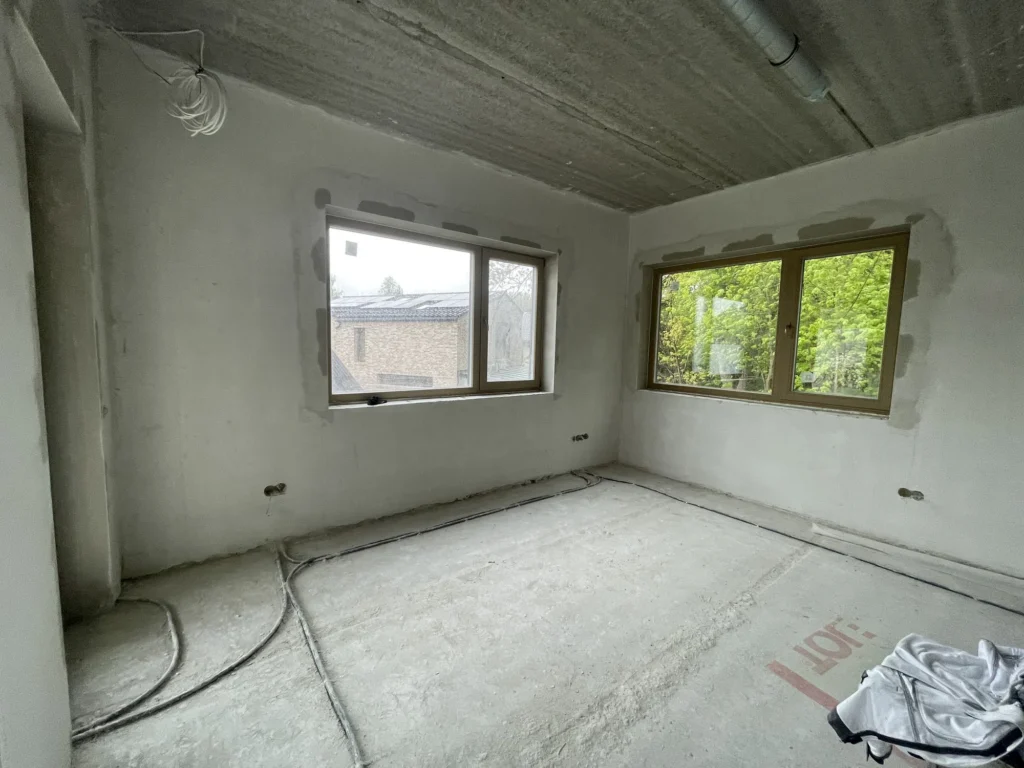
Plaster affects more than how walls and ceilings look. The mix determines how the surface copes with damp, how well it resists knocks, what finish it needs later and when the next trades can start. That is why it is worth choosing plaster for the conditions in each room rather than out of habit.
In short: gypsum plaster is the usual choice for dry living spaces, lime-cement for damper areas and walls that take more wear, and clay plaster when you want natural materials. Many private houses use more than one mix.
The three most common options
Gypsum plaster
Gypsum plaster is most often chosen for the living areas of a private house: rooms, hallways and stairwells. It gives a smooth surface that is usually easy to prepare for painting. Gypsum does not cope well with constant moisture, so where walls are regularly damp or directly wetted, choose a different mix or add extra protection.
Lime-cement plaster
Lime-cement plaster is harder and tolerates moisture better, so it is often used in bathrooms, basements and plant rooms, and under tiles. Its surface is usually rougher, so it generally needs skimming before painting.
Clay plaster
Clay plaster is chosen when natural materials are a priority. It is vapour-permeable and can absorb and release some of the room’s moisture. It is softer than lime-cement mixes and has its own requirements for application and finishing, so it is worth discussing in advance.
What to consider when choosing
- Use of the room and moisture. Dry living spaces suit different mixes from a bathroom or basement.
- Substrate. Masonry, blocks and concrete absorb moisture differently, so the substrate needs to be assessed and properly prepared.
- Planned finish. Paint, tiles or decorative plaster each make different demands on how flat and firm the surface must be.
- Wear and tear. Walls in hallways, stairwells and commercial premises take more knocks, so a harder surface may be needed.
- Schedule. Plaster must dry before finishing. How long that takes depends on the mix, layer thickness, temperature and ventilation, so build drying time into the overall work plan.
Quick comparison
| Mix | Typical use | What to watch |
|---|---|---|
| Gypsum | Dry living spaces | Not for constantly damp areas without extra protection |
| Lime-cement | Bathrooms, basements, plant rooms | Rougher surface, usually skimmed before painting |
| Clay | When natural materials are wanted | Softer surface, own application and finishing requirements |
Why machine plastering
With machine plastering, the mix is prepared and sprayed onto the wall by a plastering machine and then levelled with hand tools. The machine mixes the material evenly, which makes this method especially suitable for larger areas. Read more about how the work is done on our machine plastering page.
What to do before plastering
- Finish the electrical and plumbing runs, so that plastered walls do not have to be opened up later. More on our electrical installations and plumbing pages.
- Install the windows.
- Assess the substrate and, if necessary, prepare it following the instructions of the chosen mix’s manufacturer.
- Make sure the rooms are kept at the temperature the manufacturer recommends and can be ventilated while the plaster dries.
Summary
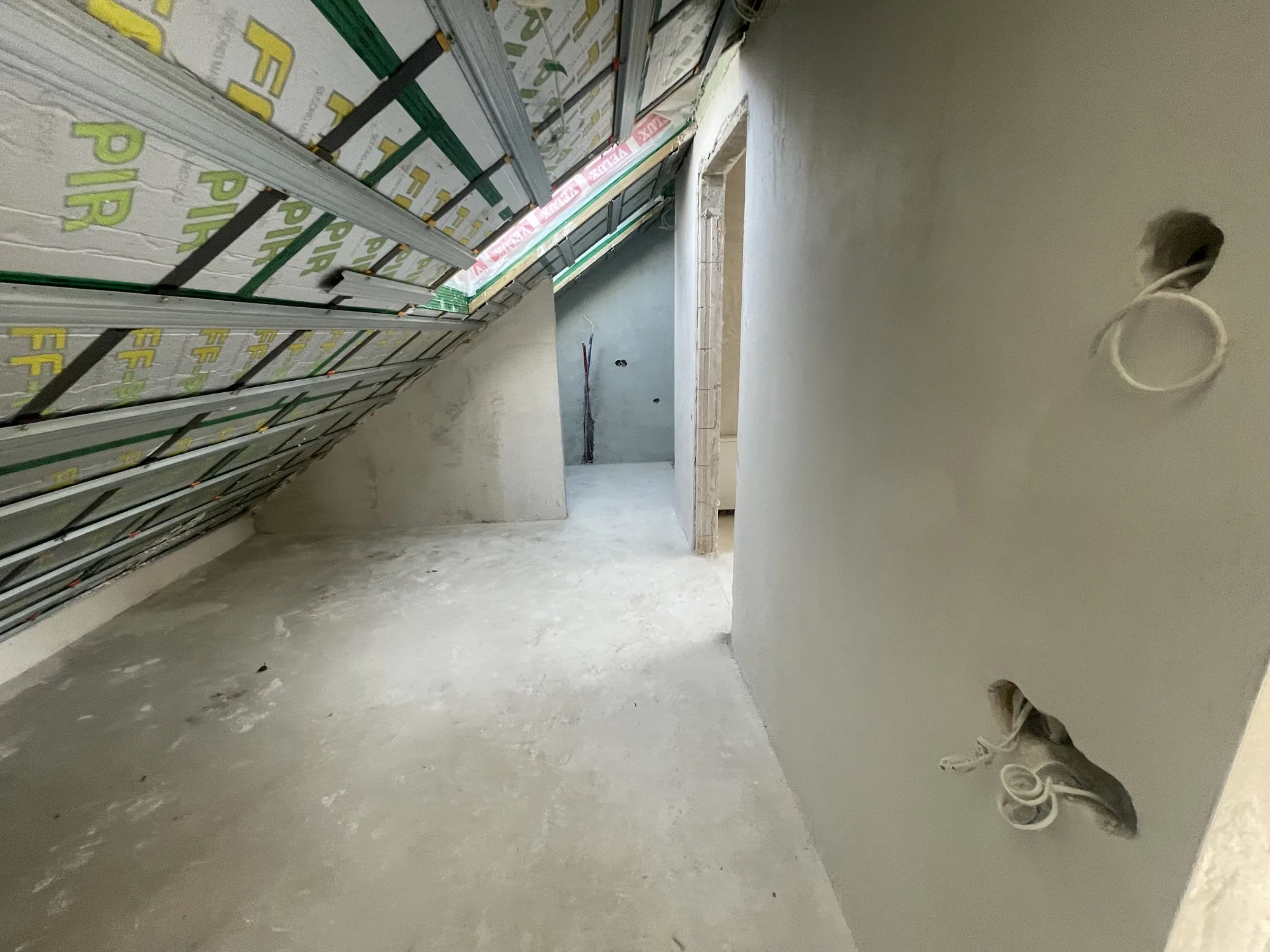
There is no single best plaster. Private houses often combine several mixes: gypsum for living spaces and lime-cement for damper ones. If you are building a house or planning interior work, describe your rooms in an enquiry – we will suggest a suitable solution and prepare a preliminary estimate.